EA Executive Bullish on Generative AI for Streamlining Game Development
One of the biggest pain points in the modern video game industry is the sheer length of development cycles. Back in the PlayStation 2 era, a game could ship in as little as 18 months. Today, five years — or more — has become the norm. Can the latest generative AI tools close that efficiency gap? At least one senior Electronic Arts executive thinks so.
Speaking at The Game Business Live earlier this month, EA Corporate Development President Laura Miele was asked exactly that question. Her answer was unambiguous. “Some parts of the process can absolutely be accelerated,” she said. “Having seen the technology firsthand, I’m very optimistic — and genuinely excited. I’ve always wanted to clear the obstacles that stand between our studio developers and their best work, to help them create the kinds of career-defining games they’re capable of.”
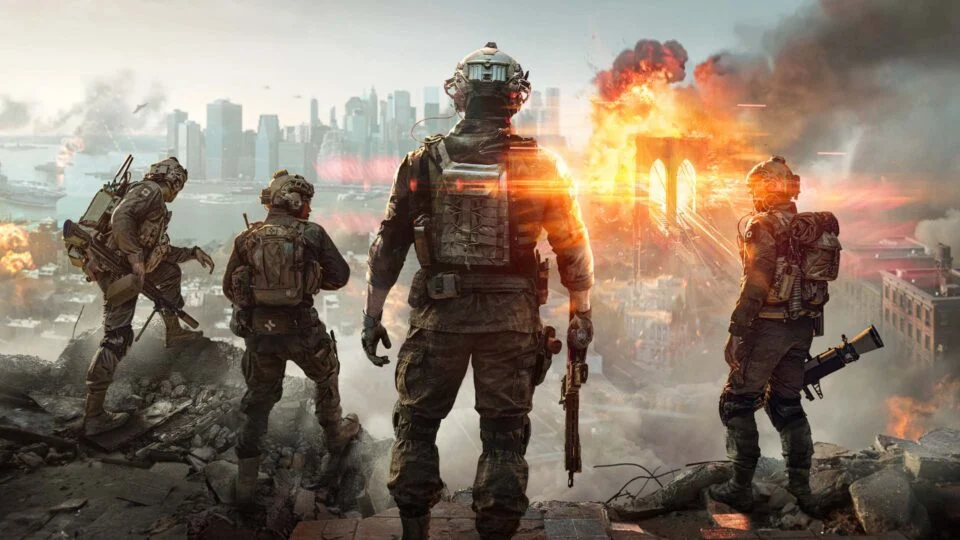
Miele went on to describe what she’s observed: AI is proving remarkably effective at simplifying the tedious steps buried inside production pipelines, toolchains, and workflows. “That’s what’s really encouraging,” she said. “It takes repetitive drudgery off developers’ plates. Prototyping speeds up dramatically. Creative ideas come faster, and the team can iterate and reach consensus more efficiently. When AI absorbs all that repetitive grunt work, developers’ creative energy really gets unleashed.”
What Miele didn’t address, however, is the elephant in the room — exactly what creative outputs these new AI tools are producing. The industry has spent enormous energy calculating how many developer-hours AI could save, while largely sidestepping an uncomfortable reality: players tend to recoil when they learn a beloved franchise has used generative AI in its creation.
EA’s enthusiasm is more than philosophical. CEO Andrew Wilson told investors last year, “We see AI as a powerful accelerator for creativity, innovation, and deeper player connections. Teams across the company are building entirely new workflows and refining supporting technologies to enhance every stage of development, scaling, and personalization through AI. From dynamically evolving game worlds to generating highly authentic athlete and team representations at scale, our developers are using AI to push past the existing ceilings of design, animation, and narrative storytelling — delivering richer, more immersive experiences.”
The stakes are concrete. EA is in the middle of a $55 billion leveraged buyout backed by Saudi capital, and whether that deal crosses the finish line depends, in part, on whether this controversial technology can genuinely compress costs and widen margins. For one of the world’s largest game publishers, betting on AI isn’t just about faster prototyping — it’s existential.