Chinese Apps Quietly Drop Splash Screen Ads as '#SplashScreenAdsGone' Tops Weibo Trends
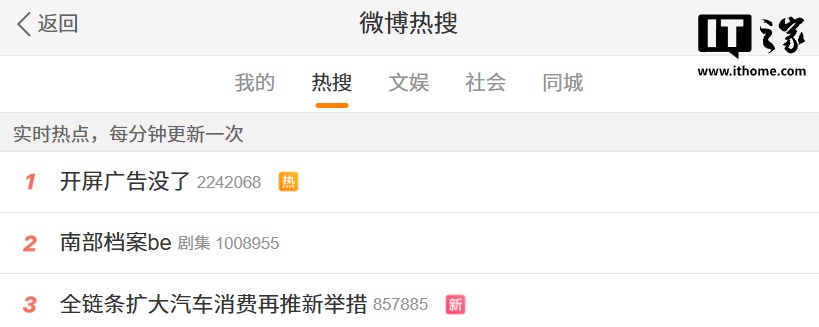
At 7:02 PM Beijing time on June 23, the hashtag “#SplashScreenAdsGone” rocketed to the top of Weibo’s trending list, as users across China began noticing something remarkable: the splash screen ads that had long plagued their favorite apps were vanishing.
Reports poured in from bloggers and everyday users alike, confirming that splash screen advertisements had been quietly removed from some of China’s most widely used applications. Among the apps now launching directly to their home screens were Baidu Maps, Amap (Gaode Maps), and NetEase Cloud Music — services used by hundreds of millions of people daily.
One tech blogger posted a screen recording demonstrating the change in real time. The footage showed apps launching immediately into their functional interfaces with no interstitial advertising whatsoever — an experience the blogger described as “silky smooth,” a stark contrast to the forced five-second countdowns users had long been conditioned to endure.
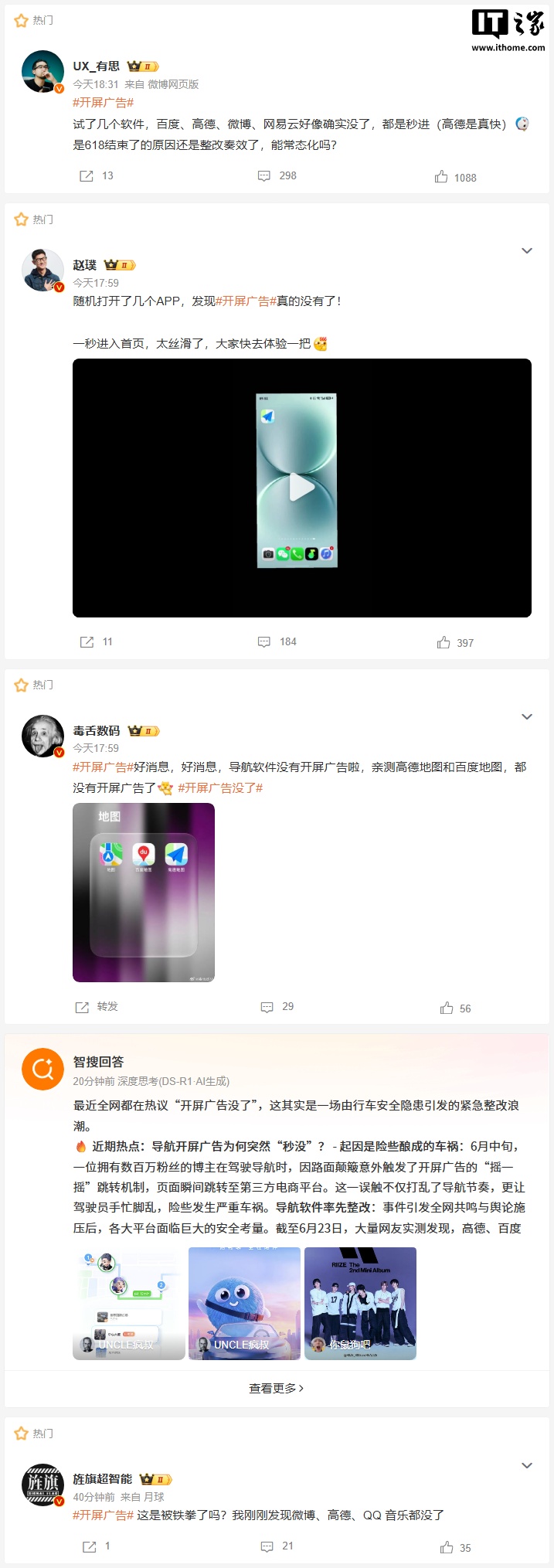

The disappearance of these ads follows years of mounting frustration over increasingly aggressive mobile advertising tactics, particularly the notorious “shake-to-ad” mechanism. Under this scheme, even minor physical movements — walking, picking up a phone, riding in a vehicle — could trigger an unwanted redirect to an advertiser’s landing page, often an e-commerce platform.
In July 2025, the National Cybersecurity Standardization Technical Committee took formal action, publishing the “Practice Guide — Shake-to-Ad Trigger Behavior Safety Requirements.” The document mandated that app operators and SDK providers implement accessible opt-out channels for ad functionality and set reasonable trigger thresholds, ensuring users retained genuine control over whether their physical movements translated into ad clicks.
The urgency behind these guidelines was underscored just last week when Douyin influencer @销冠李老板, who commands 2.74 million followers, posted a video highlighting the real-world dangers of intrusive ads. He recounted using voice commands to launch a navigation app while driving, only to have a splash screen ad appear. When his car hit a bump, the phone’s motion sensor registered it as a “shake,” redirecting him mid-drive to an e-commerce platform — a genuinely hazardous distraction at the wheel.

The practice guide explicitly called out this class of problem, noting that shake-to-ad triggers had proliferated across mobile apps, offline events, e-commerce marketing, and media entertainment. The core grievance: trigger thresholds set so low that they effectively hijacked routine physical activity as advertising engagement.
While no formal regulatory announcement accompanied this week’s ad removals, the coordinated disappearance of splash screen ads across multiple major platforms suggests a quiet but decisive industry response to both regulatory pressure and sustained user backlash. For millions of Chinese smartphone users, the result is a small but meaningful improvement in their daily digital experience — one they were quick to celebrate.