Nissan Kills Electric Qashqai as Cost-Cutting Drive Deepens
Nissan has pulled the plug on its all-electric Qashqai, according to six sources familiar with the matter, as the Japanese automaker scrambles to streamline its product lineup and rein in costs. The decision, which has not been publicly announced, marks a significant retreat in a segment where the company had staked considerable ambition.
The Qashqai is by far Nissan’s most important vehicle in Europe — it accounted for roughly 45% of the 330,000 cars the company sold across the continent in 2025. A battery-electric version, once slated for production at Nissan’s Sunderland plant in the UK, was meant to anchor the brand’s EV transition in one of the world’s most competitive markets.
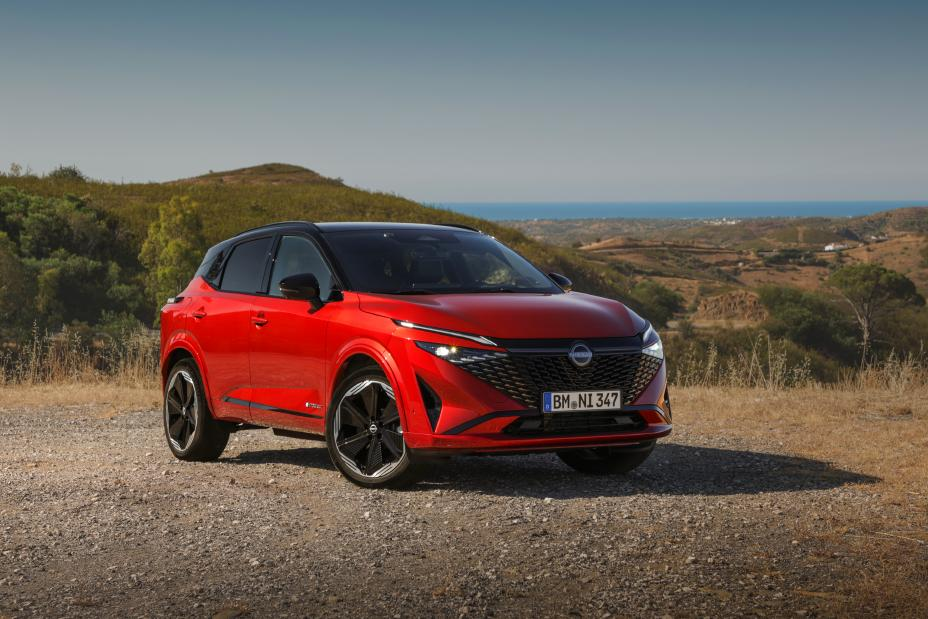
But the ground shifted fast. Europe’s electric vehicle market is now awash with affordable offerings, from established competitors racing to electrify their lineups to a wave of Chinese brands aggressively undercutting on price. Against that backdrop, Nissan quietly halted development of the electric Qashqai as early as the beginning of last year, the sources told Reuters.
Even if the company reverses course, the model would not realistically reach showrooms until the early 2030s — a timeline that risks leaving Nissan conspicuously absent from a critical and fast-growing category. The automaker had publicly committed in 2023 to building the electric Qashqai at Sunderland, a facility that employs around 6,000 people in England’s industrial northeast.
In a statement, Nissan declined to directly address the electric Qashqai’s fate, saying instead that it would continue expanding an “electrified” lineup that includes hybrid models. The company acknowledged “significant fluctuations” in European EV demand and said it would pursue a “balanced” electrification strategy going forward.
The Sunderland plant’s future remains a live political and industrial question. Sources previously indicated that any additional funding from the UK government would be tied to commitments around new model launches or safeguarding jobs. In a separate but related move, Nissan announced this month that it had signed an agreement with Chinese automaker Chery to explore using one of Sunderland’s two production lines to build Chery-badged vehicles — a sign that the plant’s capacity is being actively reshaped beyond Nissan’s own product plans.
For now, the electric Qashqai joins a growing list of EV projects that have been quietly shelved as the industry navigates choppier-than-expected demand and a pricing war that shows no signs of letting up.