ByteDance Unveils Seedance 2.5 AI Video Model with 30-Second Native Generation and Multimodal Input
ByteDance’s cloud and AI arm, Volcano Engine, has officially unveiled the next generation of its video generation model — Seedance 2.5 — at the 2026 FORCE Conference. Currently in closed enterprise beta, the model is scheduled for full public release in early July, marking a significant step forward in the company’s multimodal AI ambitions.
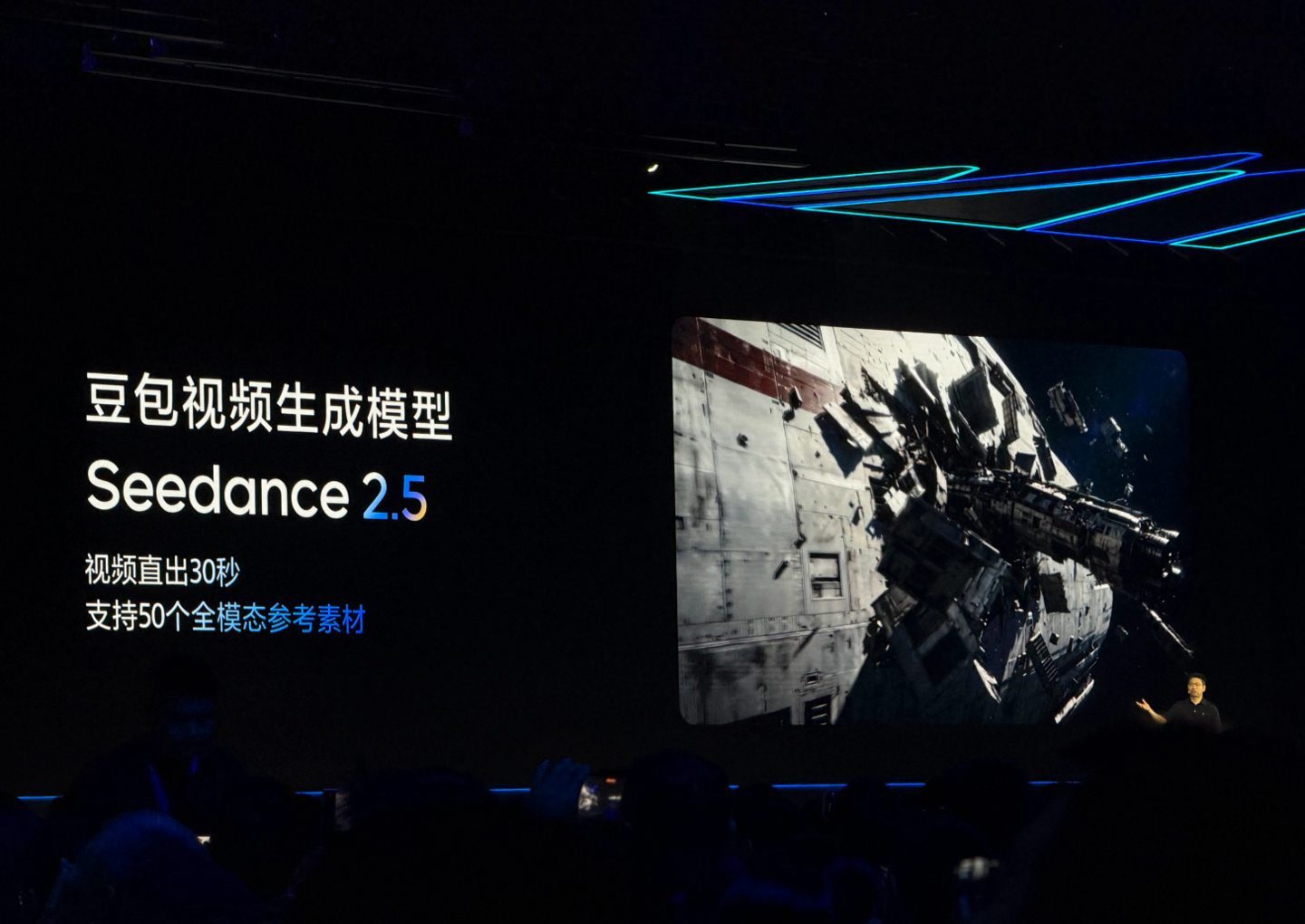
According to details shared at the conference by Volcano Engine President Tan Dai, Seedance 2.5 delivers several breakthrough capabilities that substantially raise the bar for AI-driven video creation. Chief among them is native support for generating 30-second video clips in a single pass — a notable leap over the shorter durations that have been standard in the current generation of video models.
Equally significant is the model’s ability to accept up to 50 multimodal reference inputs simultaneously. Users can feed in images, video clips, text descriptions, and other media assets all at once, giving creators a far greater degree of control over output style, composition, and narrative flow. This multimodal ingestion pipeline is designed to make the video generation and editing process both more controllable and more finely tuned to creative intent.
The conference also brought news of an upgrade to the existing Seedance 2.0 model, which now boasts native 4K video generation — a capability that brings ByteDance’s tools into parity with the high-resolution demands of professional content production.
Beyond the model itself, Volcano Engine offered a first look at a new AI copyright commercialization platform, a move that signals ByteDance’s intent to bridge generative AI with the rights-managed content economy. Hong Kong filmmaker and actor Stephen Chow was named as the platform’s inaugural partner. Under this framework, users across Douyin, Jimeng, CapCut, and any other platform that integrates Seedance can access officially licensed templates to remix and reimagine classic scenes from Chow’s filmography.
Tan Dai revealed that early uptake has been swift: the number of available templates and daily creations using the platform has already surpassed 100,000, indicating strong demand for AI-powered creative tools grounded in recognizable intellectual property. The combination of a more powerful generation model and a structured copyright framework suggests ByteDance is betting that the future of AI video lies not just in raw capability, but in trusted, legally sound creative ecosystems.